When Lost premiered on ABC in 2004, it wasn’t just another survival drama. It was a cultural moment. A plane crash, a mysterious island, and a group of strangers trying to survive—those were just the entry points. What followed was a mind-bending mix of science fiction, mythology, character study, and network TV experimentation. Nineteen years later, Lost still invites rewatching, reinterpreting, and, for many, re-arguing over what it all meant.
In this Lost TV series review, we’ll explore why the show made such an impact, why the ending divided fans, and whether Lost is still worth watching today.
A Pilot That Changed TV Forever
Before we get into the twists and time jumps, it’s worth remembering just how strong Lost’s opening is. The pilot episode, directed by J.J. Abrams, was one of the most expensive ever made at the time—and every cent showed. From the intense plane crash sequence to the haunting reveal of the smoke monster, the first hour instantly grabbed attention.
Critically and commercially, Lost hit the ground running. Viewers were hooked not only by the action but by the promise of something deeper—an island that wasn’t just dangerous, but strangely designed.
If you’re looking for a series that kicks off with purpose and confidence, few pilots stand taller than Lost‘s.
Characters First: The Heart of Lost
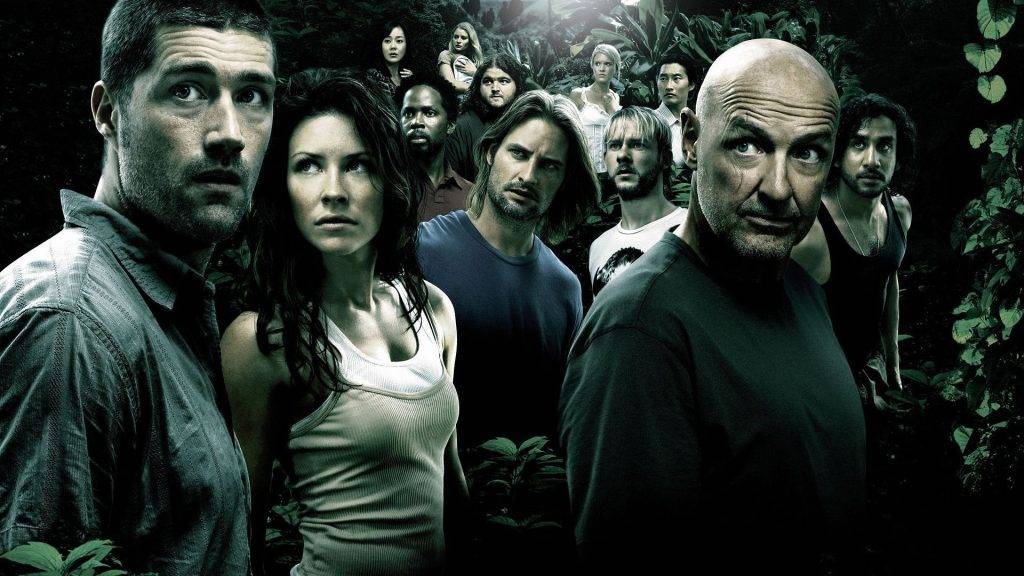
At its core, Lost is about people. The survivors of Oceanic Flight 815 aren’t just names on a manifest. They’re broken, hopeful, angry, guilty, and real. Each episode peels back their pasts, using flashbacks (and later, flash-forwards and flash-sideways) to show how their lives led to that island.
Jack (the reluctant leader), Kate (the fugitive), Sawyer (the con man with a heart), Locke (the man of faith), and so many others are given time to breathe. No one’s arc feels rushed—at least not in the first few seasons. Even secondary characters like Desmond or Juliet are more fleshed out than many leads in other shows.
This character depth is what made Lost so powerful. You didn’t just watch it for answers; you watched it for the people.
The Mystery Box Approach: Genius or Gimmick?
Here’s where opinions start to divide. Lost was famous for raising questions faster than it answered them. What’s the smoke monster? What’s the Dharma Initiative? Why do the numbers keep showing up? Who are The Others?
These mysteries were like gravity—pulling viewers in. Forums, blogs, and real-life conversations were flooded with theories. This was arguably the first TV show to benefit from “internet-era” fan speculation in a major way.
But by the later seasons, some felt burned. For every mystery answered, another popped up. And not every reveal landed. In hindsight, the show sometimes felt like it was running on curiosity more than cohesion.
That’s the double-edged sword of Lost. The mysteries made it addictive—but the lack of payoff turned some fans off. Especially when we got to that ending.
The Ending: Explained, Debated, Misunderstood
The Lost ending is either beautifully emotional or deeply frustrating, depending on who you ask. Season 6 introduced the “flash-sideways” timeline, leading many to believe it was some kind of alternate reality. Then the finale came—and the truth hit: the sideways world was a form of afterlife.
Cue the internet exploding.
Many viewers thought the show revealed that “they were dead the whole time,” which isn’t accurate. The island events happened. The afterlife reveal was more about emotional closure than plot resolution. Still, the damage was done. Some called it profound, others felt cheated.
Was it satisfying? That depends on whether you watched Lost for answers or for characters. The show chose the latter, and while that choice has heart, it didn’t please everyone.
If you’re searching “Lost ending explained” or “why Lost ending was controversial,” you’re not alone. It’s still one of the most dissected finales in TV history.
Strengths That Still Hold Up
Despite its flaws, Lost remains an achievement in serialized storytelling. Here’s what still works in 2025:
- Unmatched character depth: Very few shows devote entire episodes to backstories and make each one feel rewarding.
- Atmosphere: Michael Giacchino’s haunting score, the jungle setting, and the use of silence all build a mood that’s hard to replicate.
- Genre-blending: Lost fearlessly mixed sci-fi, mystery, romance, action, and even philosophical debate—all in prime time.
- Community: Watching Lost was never a solo activity. It created conversation, theories, rewatches, and a fandom that’s still active.
Weaknesses That Haven’t Aged Well
And here’s what still stings:
- Pacing issues: Seasons 3 and 6 in particular struggle with bloat or filler.
- Mystery overload: Some questions were never answered clearly, or felt like they were improvised on the fly.
- Character exits: Certain deaths (Libby, Mr. Eko) felt abrupt or driven by off-screen issues rather than narrative need.
- Diversity issues: While Lost was ahead of its time in some ways, it also mishandled or sidelined a few non-white characters.
Is Lost Still Worth Watching in 2025?
Yes—but with context.
If you’ve never seen Lost, it’s best to approach it like a ride, not a riddle. Go in for the characters, the emotional arcs, and the ambition. Don’t expect every mystery to be solved, and maybe avoid Googling spoilers.
For returning viewers, Lost is surprisingly rewatchable. Knowing how it ends actually improves some scenes. You catch foreshadowing, appreciate character nuance, and forgive some of the chaos. The ending might still frustrate you—but the journey matters more.
And if you’re someone who loves shows like Dark, The Leftovers, or Severance, Lost is part of that storytelling DNA. In many ways, it walked so those shows could run.
Final Verdict: An Imperfect Masterpiece
Lost is not perfect. It took wild risks, and some didn’t pay off. But it also dared to be ambitious at a time when network TV rarely was. It gave us characters who felt like friends, mysteries that kept us guessing, and moments that still stick with us—whether it’s the hatch opening, Charlie’s final message, or Jack’s last breath.
In this Lost review, one thing is clear: its flaws don’t erase its legacy. If anything, they make it more human—ambitious, messy, and unforgettable.